
See it for yourself, then decide
In most animal hospitals the treatment room is closed. In front of a closed door, all an owner can do is wait, and then trust the explanation given afterwards.
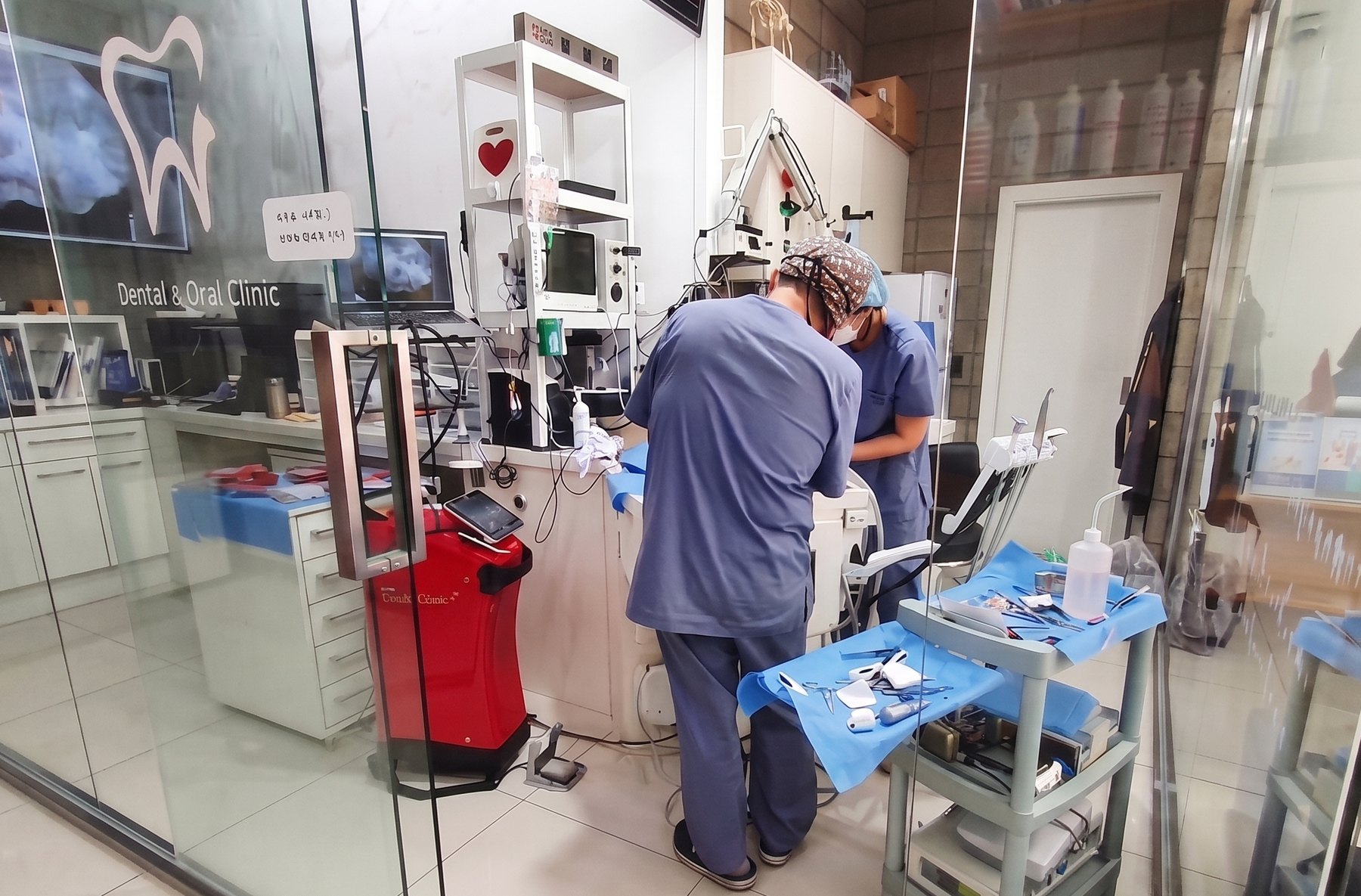
We left that door open. The wall between the treatment room and the waiting area is glass, and owners watch the whole process themselves, from anaesthesia to recovery. This is the first thing we want you to know about us.
Words ask for trust; transparency allows you to see for yourself. We chose transparency.
Eight questions about observing treatment
Where do I watch from?
Do I have to ask to watch?
Can I see every stage?
How is it explained while I watch?
May I take photographs or video?
Is the glass one-way?
I think watching would be too hard for me.
Can I take my animal home as soon as treatment ends?


Instead of saying “we will be careful”,
we show you the procedure
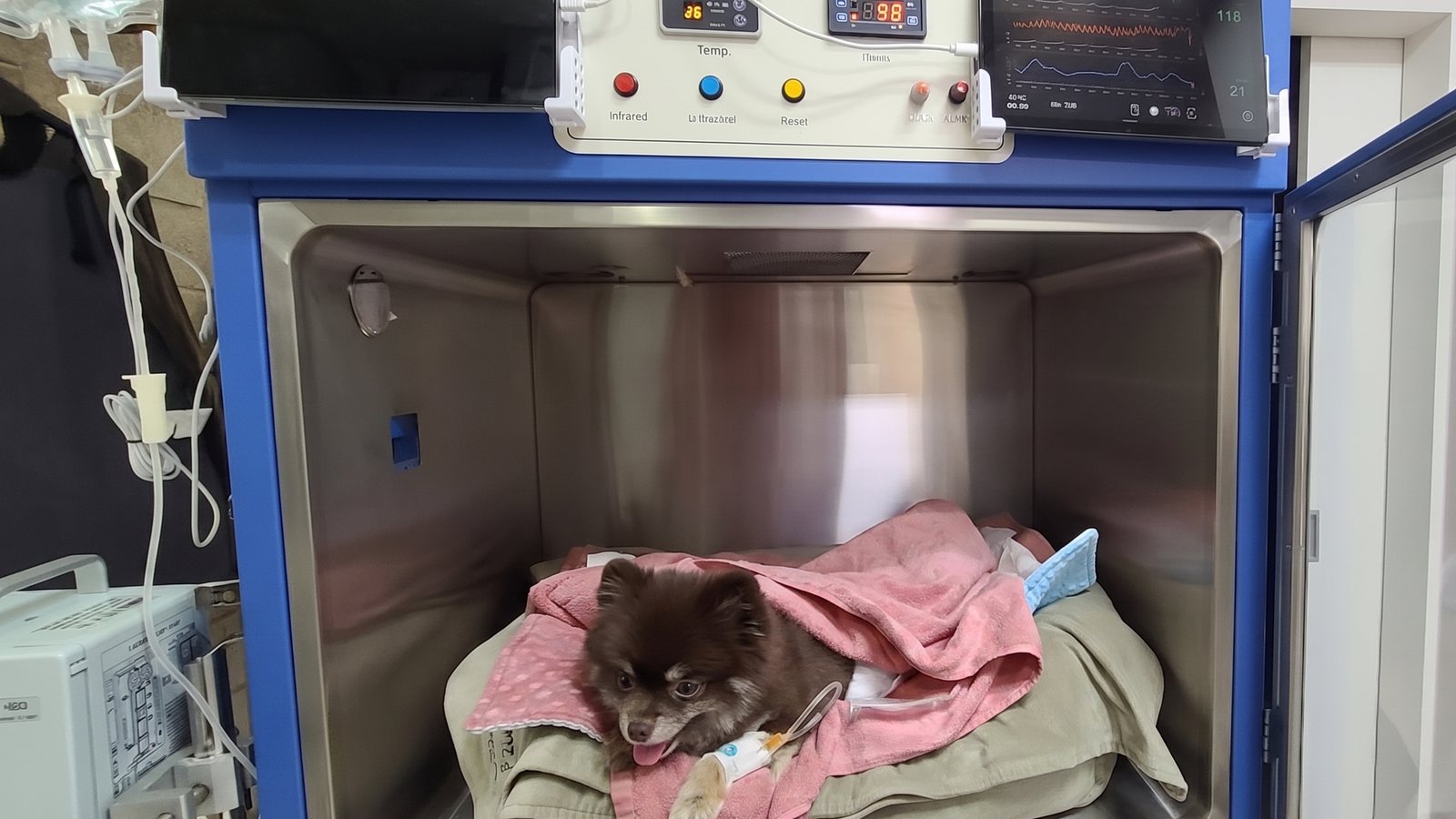
Anaesthesia is what worries owners most about veterinary dental treatment. Here is exactly what we check before anaesthesia and what we monitor during it, item by item.
① Pre-anaesthetic testing — 13 items
Which tests are performed depends on the patient's age and condition. We advise on the tests needed for your pet individually at the consultation.
Screens for structural abnormalities of the heart, airways and lungs before anaesthesia.
Checks red cells, white cells and platelets to identify anaemia and similar conditions.
Seven basic parameters: ALP · ALT · BUN · CRE · AMY · GLU · TP.
ALB · ALT · BUN · CRE · PHOS · TBIL · AMYL · LIPA · GGT · CHOL · Ca · GLU · TP · GLOB · Na · K · Cl — 17 parameters covering general blood chemistry and electrolytes.
cRP and fSAA indicate the degree of inflammation.
Helps screen cats for cardiac disease, including hypertrophic cardiomyopathy.
Screens for pancreatitis, which may increase anaesthetic risk.
Identifies abnormal blood pressure so that the anaesthetic plan can be adjusted appropriately.
Identifies cardiac rhythm abnormalities that may affect anaesthetic management.
Checks for asymptomatic infection in patients that have lived outdoors or have not been fully protected.
Antibody titre testing may be recommended to assess immune protection when the patient’s vaccination or infection risk needs to be evaluated before treatment.
Helps identify cardiac disease and pulmonary hypertension that may increase the risk of complications during anaesthesia or recovery. The findings also guide individual adjustments to fluids and medication during hospitalisation.
Identifies underlying conditions that show no symptoms, so that surgical and medical care can be planned in advance.
② Anaesthetic method and sequence
General anaesthesia — inhalational (isoflurane)
- Check general condition and vital signs (heart rate · blood pressure)
- Place an intravenous catheter and connect the fluid line
- Administer premedication — butorphanol
- Administer intravenous induction agent — propofol
- Endotracheal intubation
- Begin inhalational anaesthesia via the anaesthetic machine
- Anaesthetic monitoring (the 6 items below)
Additional medication given
- Anti-emetic · gastric acid suppressant · analgesic
- Drugs to adjust heart rate and blood pressure according to the monitored values (glycopyrrolate · ephedrine · dobutamine)
- Local anaesthetic at the surgical site, including a 72-hour sustained-release local anaesthetic
Patients can respond differently to the same drug and dose. The veterinarian’s experience in selecting and administering anaesthetic drugs safely is therefore important. Dental procedures may require longer anaesthesia than some other procedures, but regional oral nerve blocks can reduce the depth of general anaesthesia required. Close monitoring allows us to use the lowest appropriate anaesthetic concentration, supporting a smoother recovery and reducing the risk of adverse effects.
③ Monitoring during anaesthesia — 6 parameters
ECG
ECG — arrhythmia monitoring
SpO₂
Oxygen saturation — oxygenation status
EtCO₂
End-tidal CO₂ — ventilation
Anaesthetic gas concentration
Inhalational agent concentration
Blood pressure
Circulation
Body temperature
Preventing hypothermia
④ Recovery
Please tell us before anaesthesia
You know these four aspects of your pet’s history best. Sharing them with us helps us plan anaesthesia more safely.
General condition
Unless the surgery is urgent, we proceed when your pet is in good condition. Please tell us if there has been vomiting, diarrhoea, loss of appetite or lethargy in the past two days.
Fasting
Unlike ordinary sleep, anaesthesia can increase the risk of vomiting or regurgitation when food remains in the stomach. If material enters the airway or lungs, it may cause aspiration pneumonia. Please ensure at least 6 hours of fasting before treatment. Water is allowed.
Medication history
Several drugs are used in anaesthesia. Adverse reactions (including shock) are rare but possible, so please tell us about any sensitivities, drug allergies, or problems during a previous anaesthetic.
Underlying disease · advanced age
Anaesthetic drugs can lower blood pressure or cause arrhythmias. We prepare the appropriate monitoring, medication and equipment so that we can respond promptly. We take additional precautions for patients with respiratory or cardiovascular disease, and for older or frail animals.
Our equipment
Dental care begins with full-mouth dental radiography and a detailed oral examination. To that we add the equipment needed for pre-anaesthetic testing and monitoring during anaesthesia. We currently use 16 units.
Dental treatment · imaging5 units

A high-specification dental laser that combines water with laser energy for precise treatment while limiting thermal effects on surrounding tissue. Compared with conventional rotary instruments, it produces less frictional heat and vibration and may help reduce bleeding, swelling and postoperative discomfort in appropriate procedures. It can be used in complex extractions, treatment of severe periodontitis and selected cases of refractory feline stomatitis. This is an important part of our advanced dental equipment.

The anatomy of an animal’s mouth can make conventional impressions challenging. Digital scanning captures detailed information about the teeth and occlusion, supporting more precise crown fabrication.

A digital-sensor dental radiography system that produces higher-quality images than a standard sensor.
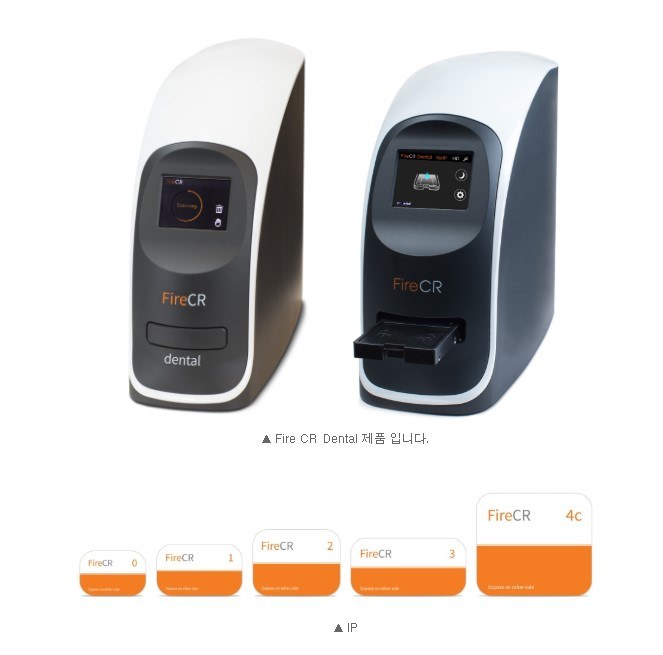
Imaging plates of different sizes can be selected for the area being examined. In calm animals, one or two dental regions may sometimes be radiographed without anaesthesia.

High-volume suction removes water and debris produced during dental procedures, helping reduce the risk of aspiration and dental aerosols. Because large volumes of water are used in the mouth of an anaesthetised patient, effective suction is an important part of safe, hygienic veterinary dental care.
Monitoring during anaesthesia2 units
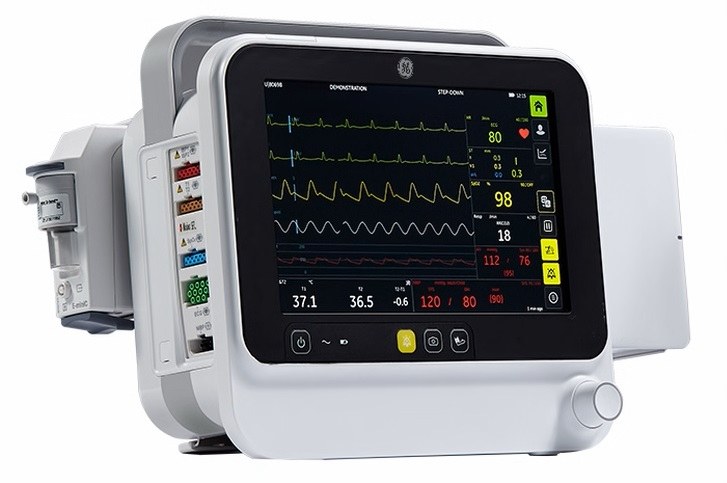
Monitors key vital signs in patients undergoing surgery and anaesthesia — ECG, heart rate, blood oxygen saturation, respiratory rate, blood pressure and temperature — in real time. This high-specification monitoring system helps us detect physiological changes promptly and respond appropriately throughout anaesthesia.

Measures heart rate and respiratory rate continuously before, during and after anaesthesia, helping us identify individual changes early and respond promptly during recovery.
Pre-anaesthetic testing · in-house laboratory7 units

A high-specification biochemistry analyser that assesses the function of major organs such as the liver, kidneys and pancreas, along with blood glucose and electrolytes, quickly and accurately. From only a few drops of blood it can run many parameters at once, including SDMA for the early detection of kidney disease — essential both for assessing anaesthetic safety before surgery and for early diagnosis and prompt treatment planning.

Analyses red cells, white cells, platelets and related values quickly and accurately from a small blood sample. The results help identify anaemia, infection and inflammation, assess pre-anaesthetic risk and support early diagnosis.

Measures the partial pressures of oxygen and carbon dioxide, acid–base status and electrolyte levels. The results help identify potential metabolic abnormalities and anaesthetic risks, particularly in older animals.

Quantifies acute inflammatory markers (CRP, SAA), pancreatitis markers and hormone levels rapidly, in-house. Results arrive without sending samples to an external laboratory, allowing emergency conditions and hormonal disorders to be diagnosed and acted on without delay.

Analyses glucose, protein, pH and other parameters in urine as objective values. Helps detect urinary and metabolic conditions such as kidney disease, diabetes and cystitis early, and track the response to treatment accurately.
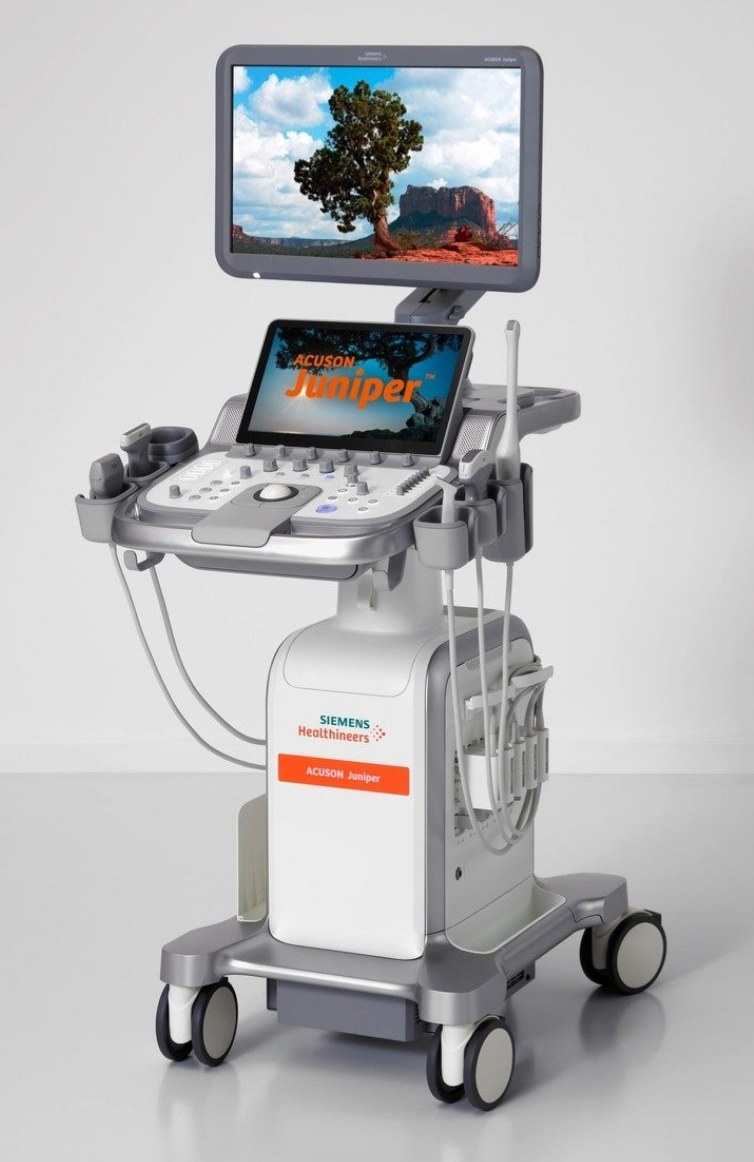
A high-resolution ultrasound system designed to visualise small lesions clearly. It helps detect subtle structural abnormalities of the heart and abdominal organs, supporting faster and more detailed diagnosis.

May allow swallowed foreign bodies to be removed from the gastrointestinal tract without open surgery and enables biopsy for chronic gastrointestinal disease. When endoscopic removal is appropriate, it can reduce surgical trauma, pain and recovery time.
Ophthalmic examination2 units

An ophthalmic microscope that magnifies the eye in a specialised way to examine the anterior structures — cornea, conjunctiva, anterior chamber and lens — in detail. It allows accurate diagnosis of conditions difficult to see with the naked eye, such as small corneal ulcers, cataract and uveitis.

A tonometer made for animals that measures intraocular pressure quickly and easily without anaesthetic eye drops. It minimises discomfort and resistance while allowing early detection and management of serious conditions such as glaucoma and uveitis, which can lead to loss of sight.
We image the root of every tooth and the bone around it. It is not about the calculus you can see, but about what is happening beneath the gum, and every dental treatment at Doctors begins here. (listed on the fees page as “full-mouth dental radiography and detailed oral examination”)